
Understand the Trust Document
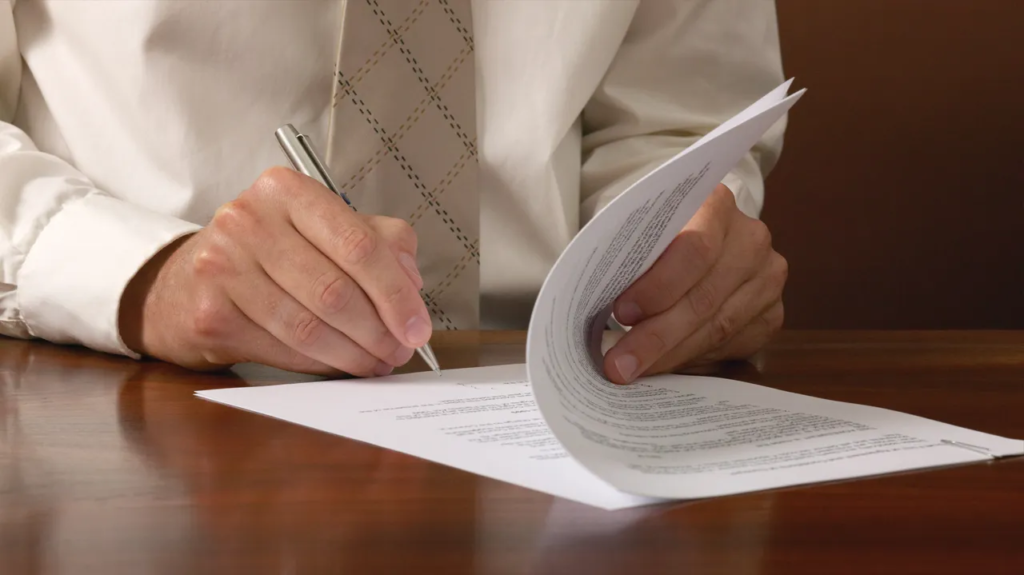
The trustee should thoroughly review the trust document to understand their responsibilities, the beneficiaries’ rights, and the specific instructions for liquidating the estate. This includes knowing which assets need to be sold, how the proceeds should be distributed, and any timelines involved.
Inventory and Appraise Assets
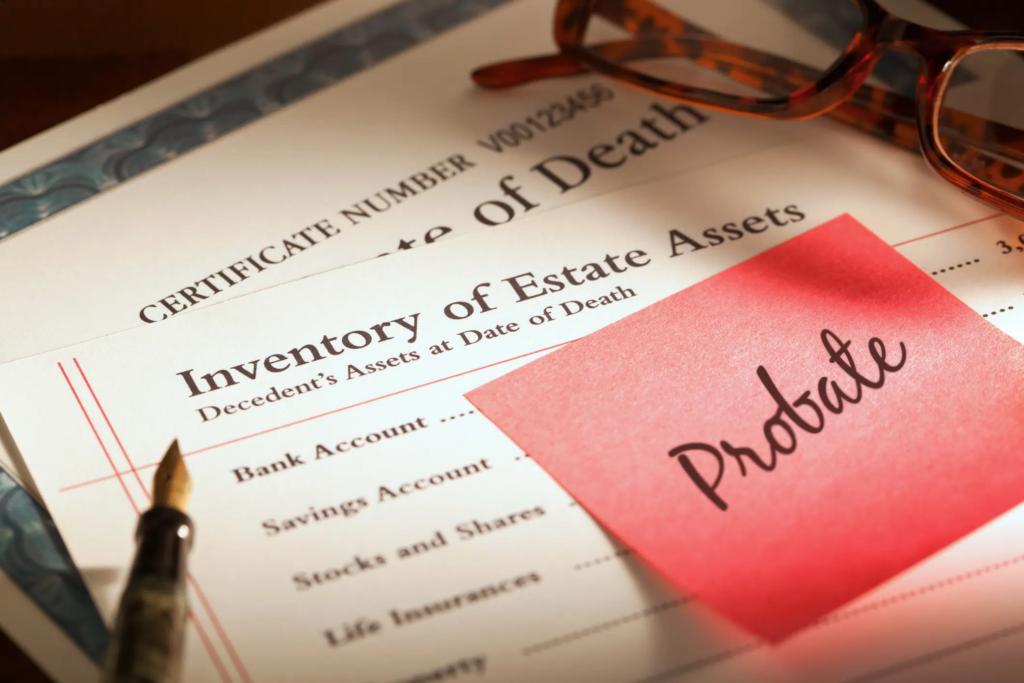
The trustee must compile a comprehensive list of all the estate’s assets, including real estate, personal property, investments, and other valuable items. It’s often necessary to hire a professional appraiser to determine the fair market value of these assets.

Settle Debts and Expenses
Before any distribution to beneficiaries, the trustee is responsible for paying off any outstanding debts and expenses of the estate. This includes funeral costs, taxes, mortgages, and any other liabilities. The trustee should also ensure that any ongoing expenses related to the estate are managed until liquidation is complete.

Liquidate the Assets
The trustee should strategically sell the estate’s assets, keeping in mind market conditions to maximize the proceeds. This might involve selling real estate, liquidating investment accounts, or auctioning off personal property. It’s essential to follow any specific instructions laid out in the trust document regarding how and when assets should be sold.

Distribute Proceeds to Beneficiaries
Once all assets are liquidated and debts are settled, the trustee must distribute the remaining funds to the beneficiaries according to the trust’s terms. This step may involve complex calculations, especially if there are multiple beneficiaries with different entitlements.